The phrase “as-is” shows up often in real estate listings, and it tends to raise eyebrows. For some buyers, it feels like an opportunity – a chance to get a deal on a property that others might overlook. For others, it sounds like a trap.
You’ve probably heard it’s good to build equity in your home. But what is home equity, exactly? How can you calculate the equity you have in your home? What can you even use that home equity to do?
While you’ve heard that your house is your biggest asset, you might be unsure how to take advantage of the fact. Property is illiquid–which means, it isn’t ready money you can just use.
If your child is making the transition to college this year, you yourself may be anticipating a transition of your own: the “empty nest.”
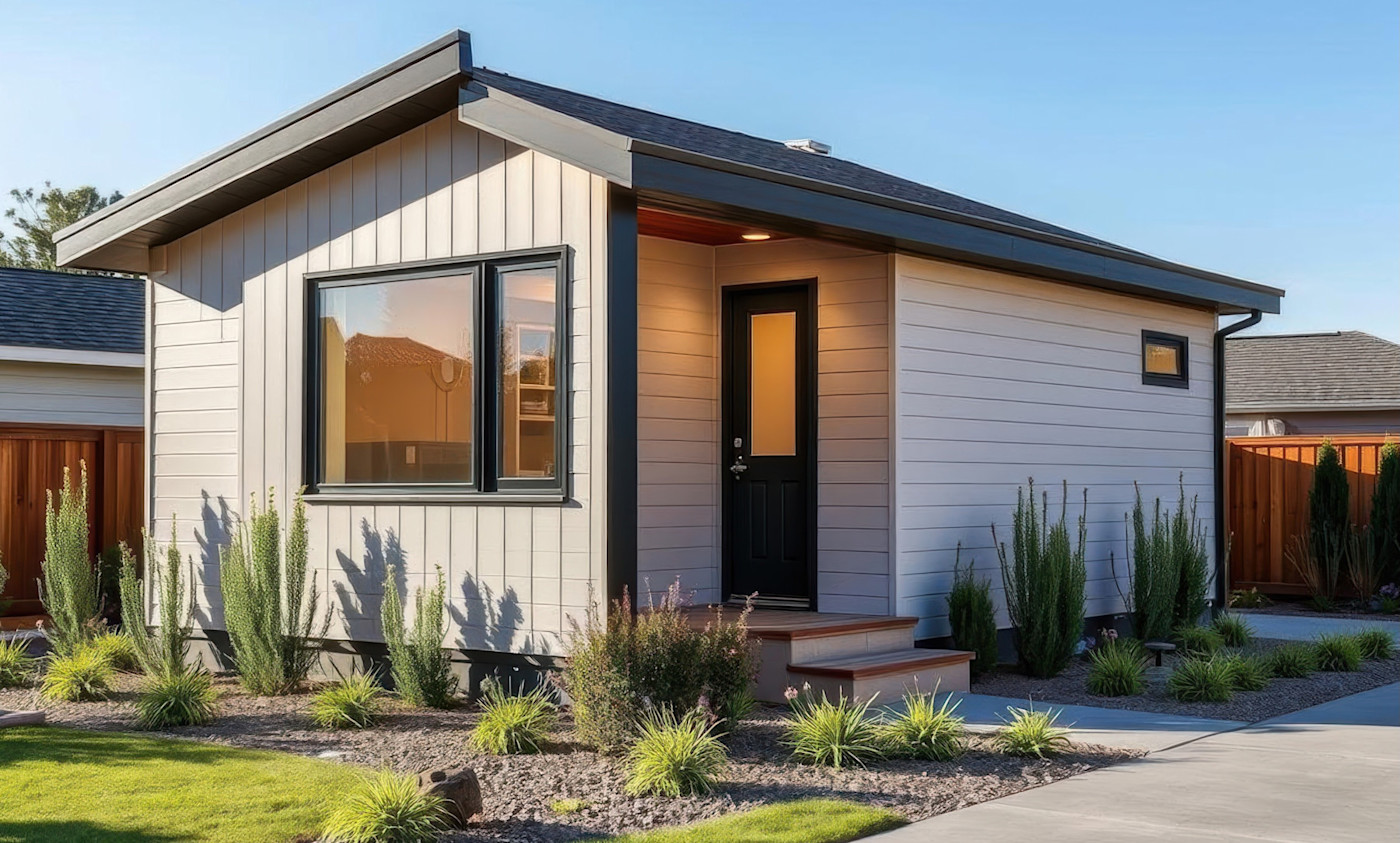
Technically, the “Accessory Dwelling Unit” (ADU) has been around since the 1980s, though the concept itself is much older. If the phrase doesn’t ring a bell, you might know it better as “granny house” or “backyard cottage.”
It’s a universal truth that the vast majority of homeowners are sitting on an enormous amount of equity. That equity is most often trapped in their homes, where it can’t be used to help them with their pressing needs.
We’ve long considered ourselves privileged to empower homeowners to achieve financial freedom and wellbeing by helping them tap into their home equity.
Getting ready to sell your home? The right improvements can boost your sale price, attract more buyers, and make for a smoother closing – but not all upgrades are worth the investment. Whether you’re looking to maximize curb appeal or reduce negotiation headaches, a few small changes can go a long way.
After several years of tension and volatility, the housing market heading into 2026 looks more measured. We’re seeing fewer headlines about runaway prices, and fewer fears of a sudden collapse. Instead, economists are pointing to a market that’s slowly finding its footing.
Homeowners are entering 2026 with a complicated reality. Many have significant equity built up in their homes, but few feel comfortable taking on debt or high monthly payments to access it and put that equity to work.
In times of economic uncertainty, many homeowners look to their greatest financial asset — their home — for stability. With high interest rates, the idea of using a second mortgage as a financial backup has re-entered the spotlight.
A new survey from Unison reveals a striking financial paradox: While many U.S. homeowners are burdened by soaring high-interest credit card debt (with 70% owing over $10,000), they are also sitting on substantial, untapped home equity.