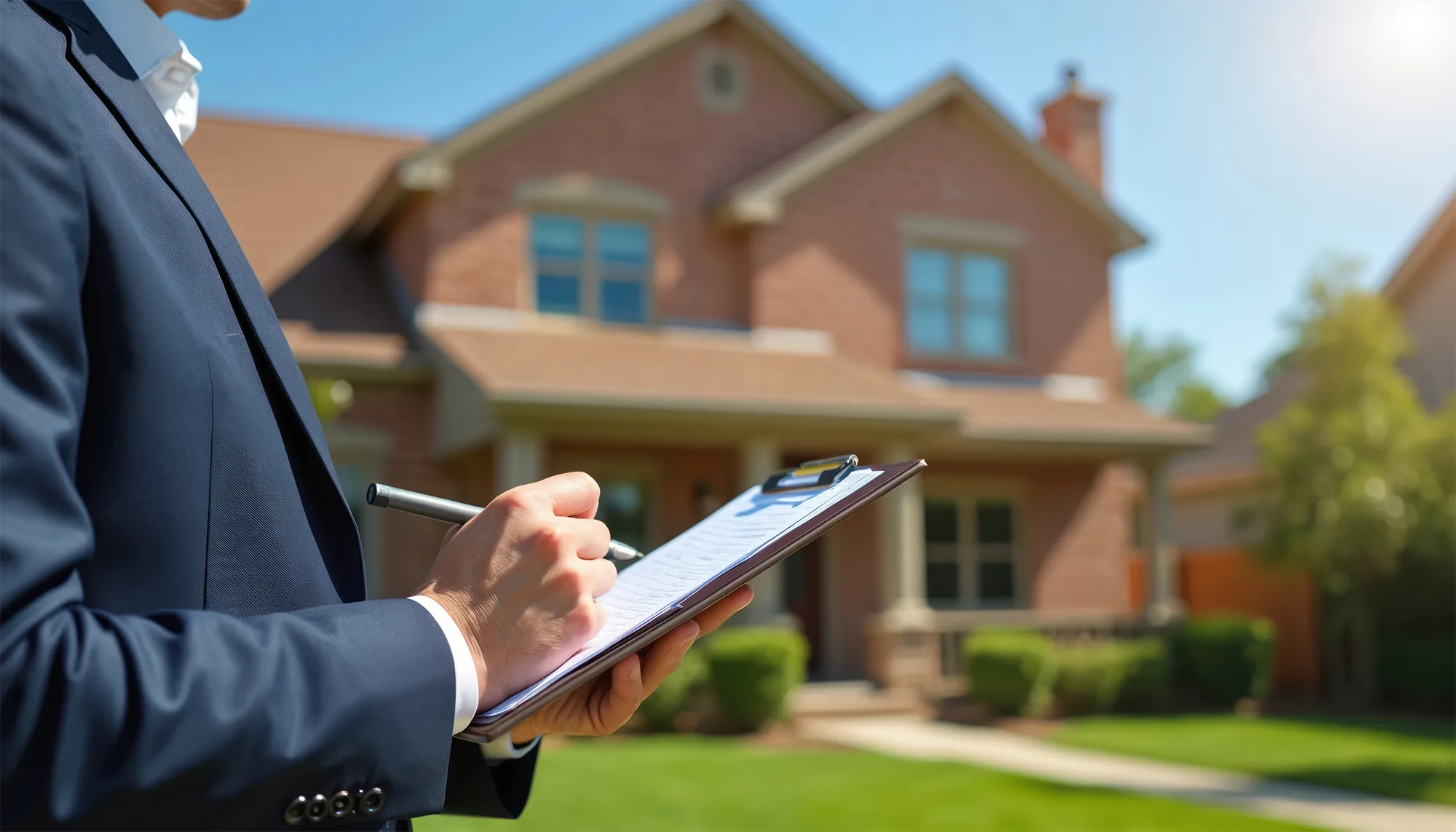
The phrase “as-is” shows up often in real estate listings, and it tends to raise eyebrows. For some buyers, it feels like an opportunity – a chance to get a deal on a property that others might overlook. For others, it sounds like a trap.
The home remains the largest asset for most of us, and is one of the most straightforward ways to grow wealth. But it can be difficult to realize that wealth and turn it into a liquid asset you can actually use!
When we see natural disasters on the news, we see numbers–property damages, loss of life, displaced peoples. What are the long-term effects on home values and demographics, though?
For years you’ve heard that real estate is one of the best investments you can make. It’s considered something of a safe bet; unlike the literal dollar, real estate doesn’t lose value to inflation over time.
The older population in the United States is greatly increasing, with the number of seniors (those 65 or older) expected to almost double by 2060. Life expectancy, too, has climbed.
If you’re a homeowner in the Las Vegas area, you’ve likely seen your home’s value fluctuate over the years — sometimes quickly, sometimes unpredictably. Many homeowners have built meaningful equity by holding on through those cycles, improving their homes steadily, and staying rooted while the city evolved.
This isn’t just Econ 101 homework. There are real life impacts at play! If you have a credit card, savings account, mortgage, or loan, understanding how the Fed works can help you make smarter real-life money moves – even in a shifting market.
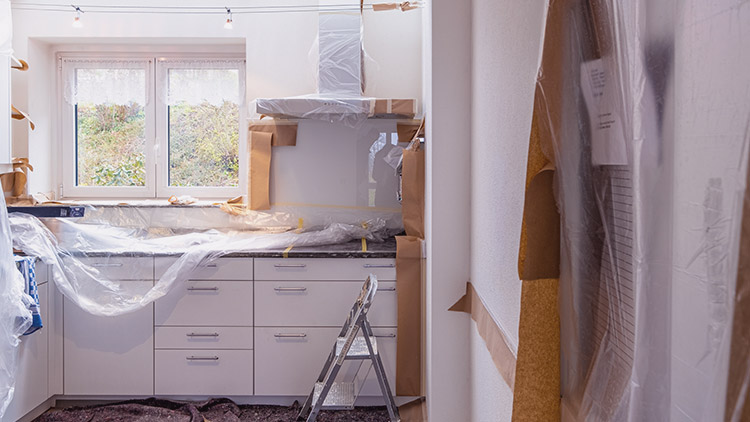
If you're planning a renovation, you may be wondering: What is a home improvement loan? Despite the popularity of the term, there isn’t really a single loan by that name. It’s actually a catch-all term that refers to any financing used to upgrade, repair, or renovate a home.
Buying a home is exciting! But it can also be overwhelming. With so many moving parts, it’s easy for first-time buyers (and even seasoned homeowners) to miss a step that ends up costing time, money, or peace of mind.
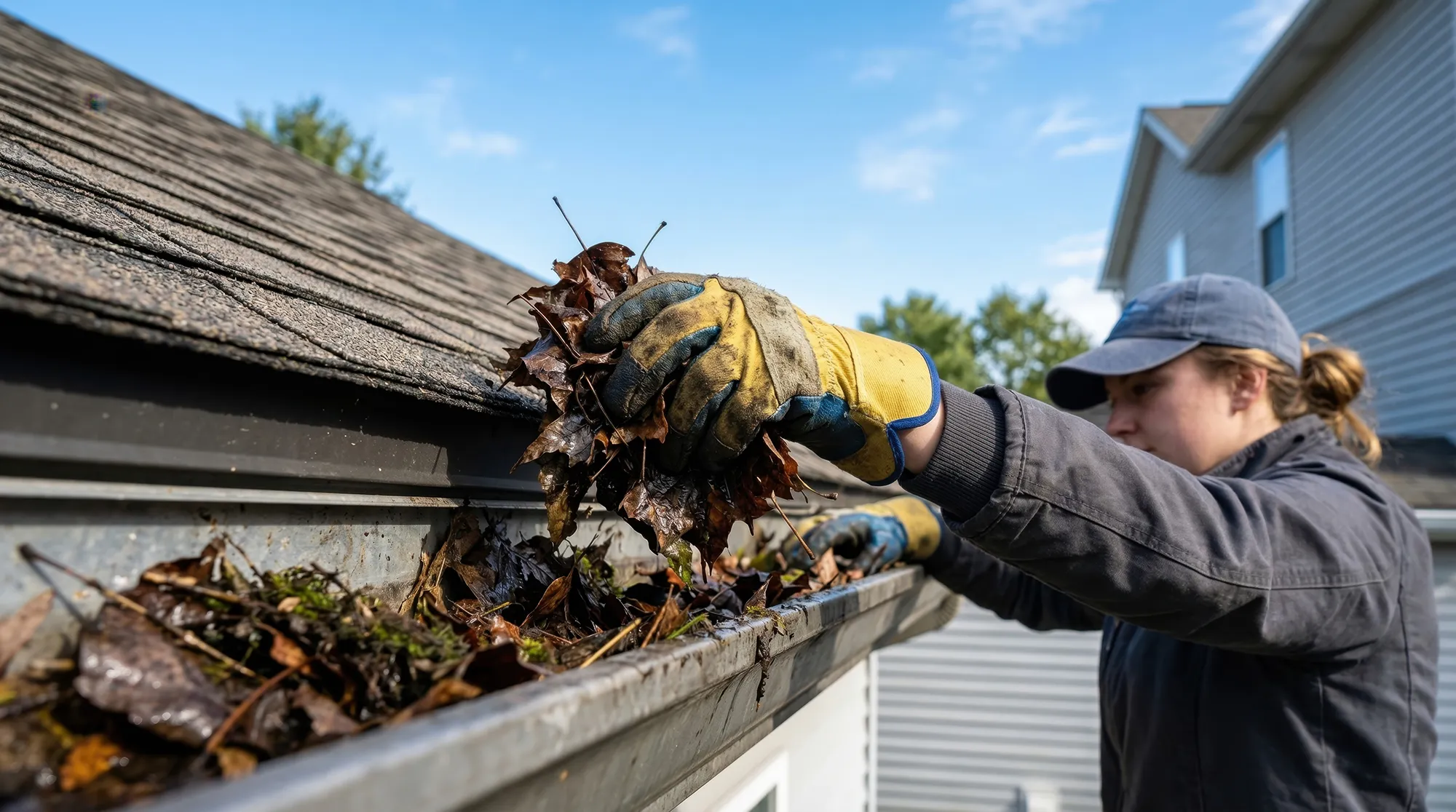
When temperatures drop and winter storms roll in, your home becomes your shelter from the elements. But it also needs a little extra care to stay safe, efficient, and comfortable. Winter is a time to focus on prevention: avoiding frozen pipes, heat loss, and water damage while keeping everything running smoothly behind the scenes.