Learn how an Equity Sharing Agreement can help provide cash for retirement without the burden of new monthly mortgage payments or high interest.
Unison agreements are structured as option contracts, which allows you to sell us a future option for cash today. But it's important to learn about option contracts and understand the details.
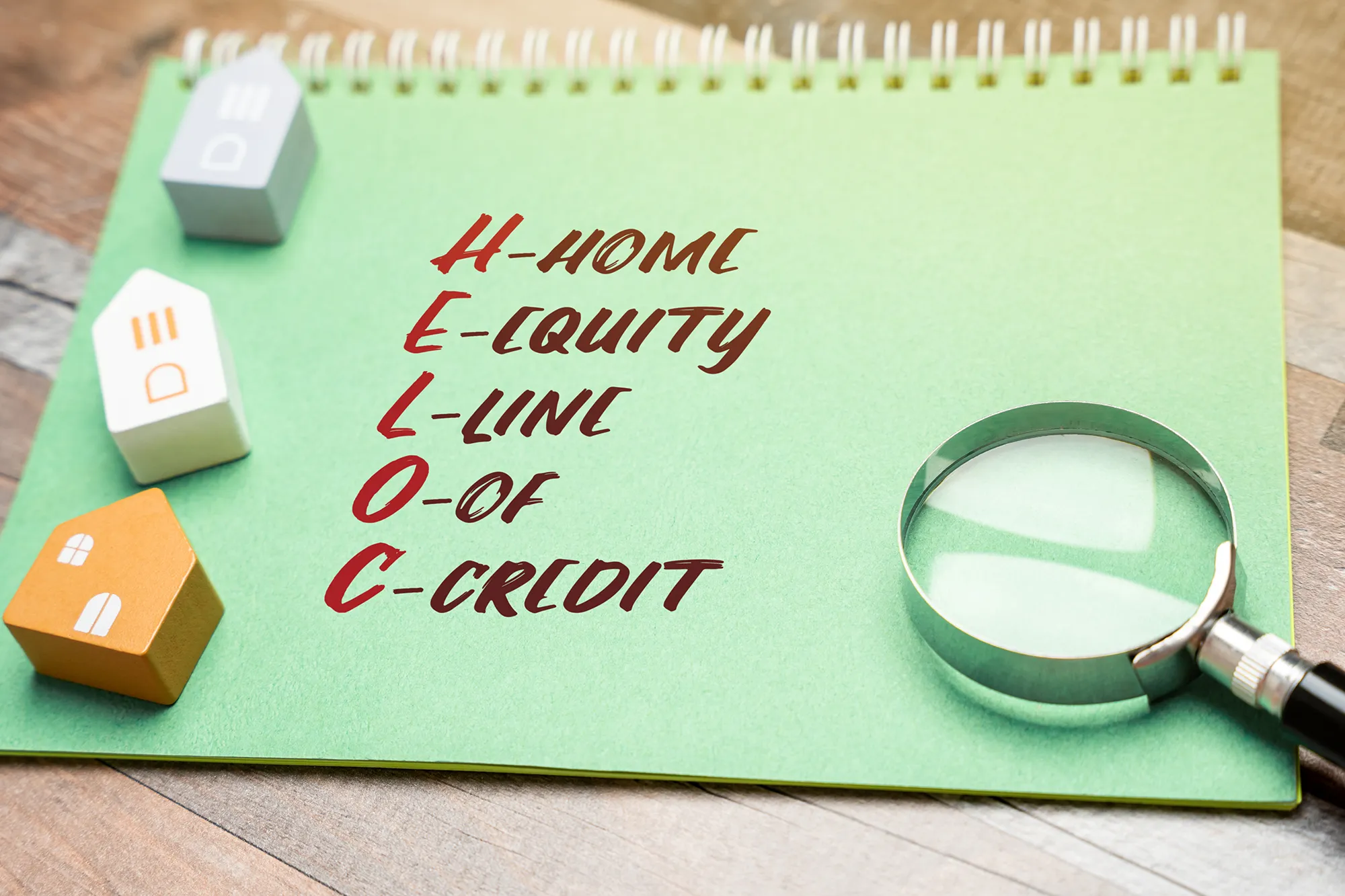
Short answer? Yes! A HELOC is not necessarily a bad thing, and can be right for people in a certain situation. But it's important to know that there are alternatives out there.
Housing is a huge market, but it's difficult for investors to put their money in homes without owning them outright. Learn more about how co-investments help bridge the gap.
The "Zestimate" is a bit of a secret sauce, which Zillow will admit is not always perfect. But it's a valuable tool nonetheless – here's what we know about the calculation process.
If you're planning on putting less than 20% down, you'll likely need to anticipate paying for PMI. But how much of a burden is it? Read this article for some of the common amounts to expect.
Leslie and John weren't sure about their next move – between debt, renovations, and bills. With a home equity sharing agreement from Unison, they didn't have to choose.
Rising temperatures, extreme weather, and rising sea levels can impact your home’s prices. Here are simple tips to help protect you and your family financially.
Once you’ve accepted your offer and received your funds, it’s time to put your equity to work – from paying down debt, supplementing your retirement, financing home improvements and beyond.
Ready to bring our partnership to an end? There are four ways in which your Unison Agreement can come to a close.
Unison home equity sharing agreements are best-suited to long-term use cases, allowing you to make your house a home, create lifelong memories, and accrue a healthy appreciation in your home’s value.
Start your Unison journey with our seamless, straightforward application process. Discover how much cash you can unlock from your home and work with a Unison rep through every step.
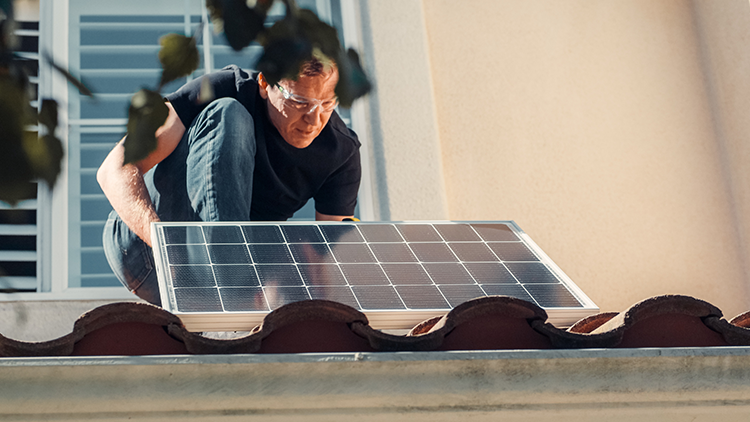
Eco-friendly home improvements can save you money, improve your quality of life, and boost the value of your home. Win, win, win! Here are some of the easiest ways to turn your house green.





.png)