Learn how one homeowner accessed $60,000 to start a business using an Equity Sharing Agreement without new monthly loan payments.
The older population in the United States is greatly increasing, with the number of seniors (those 65 or older) expected to almost double by 2060. Life expectancy, too, has climbed.
Over two years into the “COVID Era,” this trilogy of blog posts considers the effects of the pandemic on particular aspects of homeownership. Now featured: the rise of the home gym.
Over two years into the “COVID Era,” this trilogy of blog posts considers the effects of the pandemic on particular aspects of homeownership.
More women own homes now than ever, but that’s not the whole story. This blog outlines inequalities for women relative to homeownership, including the persistent pay gap and its effects.
Asian American & Pacific Islanders are often excluded from conversations on housing inequality & the homeownership race gap. Find out how this happens, & why it’s a problem.
A Unison survey reveals why home equity debt consolidation is becoming the preferred way to lower payments, pay off debt, and break the high-interest cycle.
For many homeowners, home equity is something that quietly builds over time. It’s a number you might glance at on a mortgage statement or that comes when people talk about selling.
In 2025, it’s plain to see that we’re all navigating a more complex financial landscape than usual. And homeowners are no exception! For those with substantial home equity, tapping into that investment can represent a significant financial tool.
Discover which natural disasters homeowners insurance typically covers, from windstorms to fires, and learn about common exclusions like floods and earthquakes. Protect your home by understanding your policy.
Yes, you can use home equity to fund a business — but should you? Learn the options, risks, and when an equity sharing home loan might make sense.
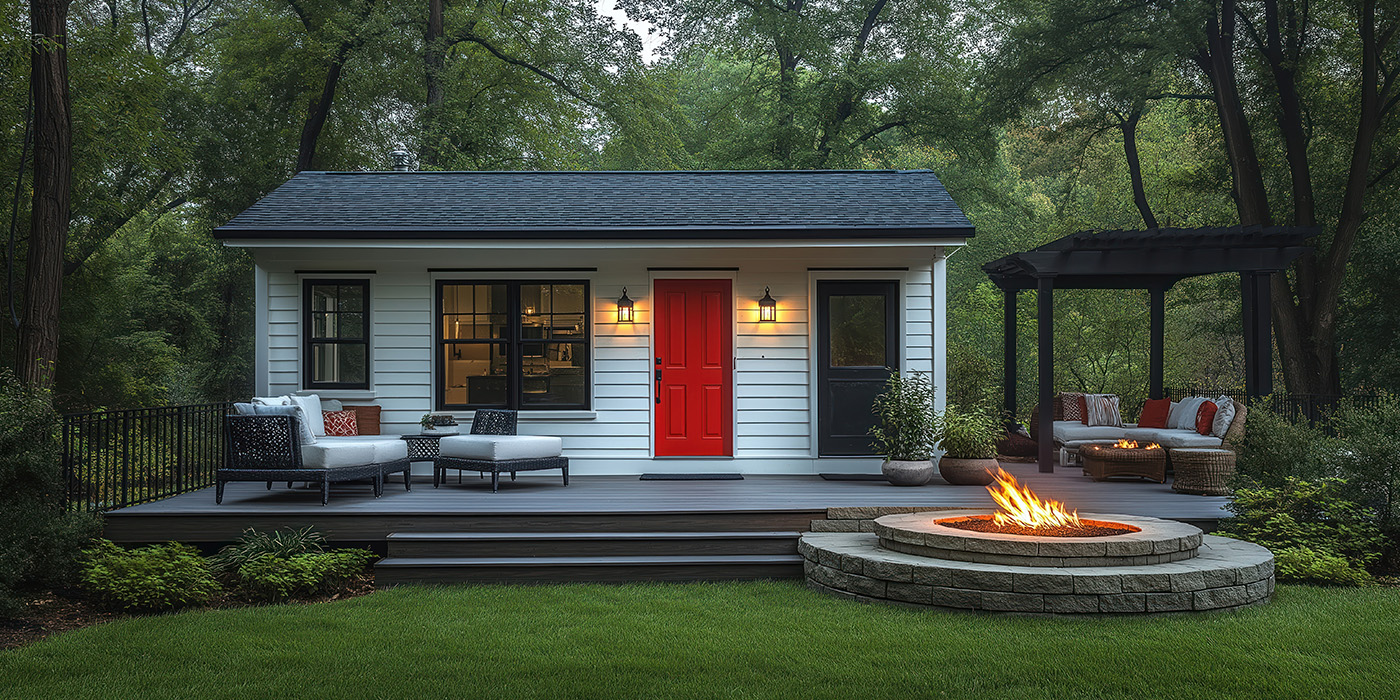
Many homeowners are turning to Accessory Dwelling Units (ADUs) as a practical and compassionate solution. ADUs provide a balance of independence and proximity, allowing aging parents to stay close to family while enjoying their own private space.