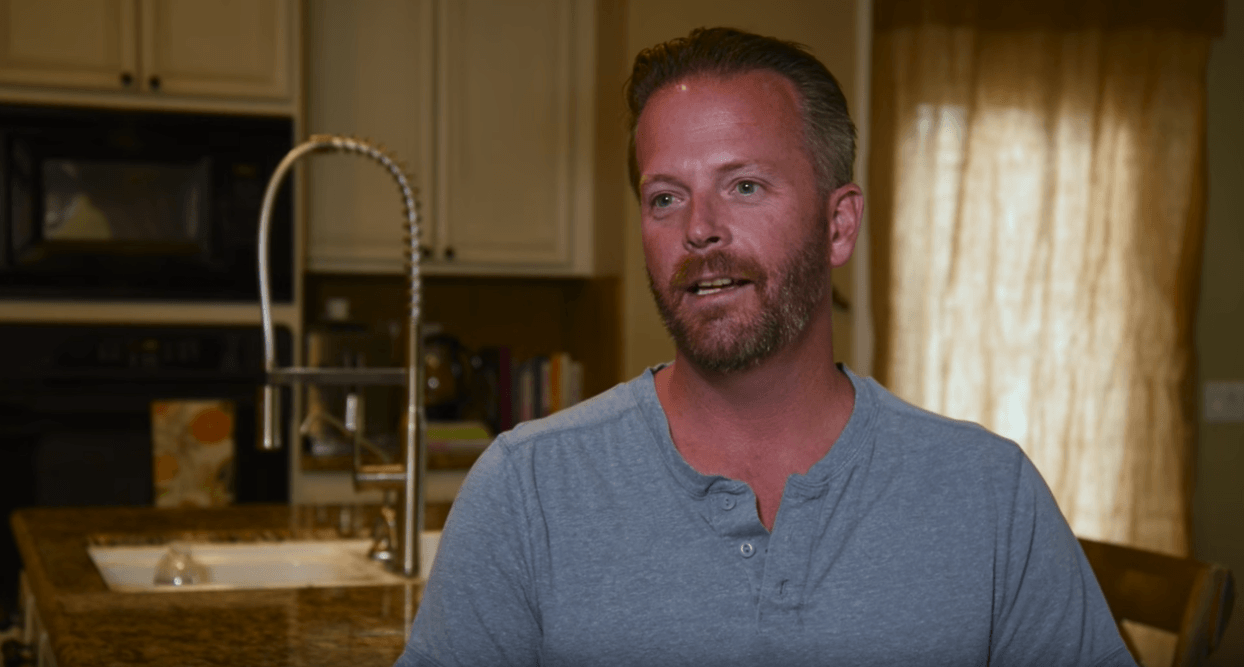
Learn how one homeowner accessed $60,000 to start a business using an Equity Sharing Agreement without new monthly loan payments.
Start your Unison journey with our seamless, straightforward application process. Discover how much cash you can unlock from your home and work with a Unison rep through every step.
Eco-friendly home improvements can save you money, improve your quality of life, and boost the value of your home. Win, win, win! Here are some of the easiest ways to turn your house green.
Equity-rich, cash-poor – it's a more common situation now than ever before. With property values skyrocketing, many homeowners are looking for ways to tap into that value. Enter Unison.
For most Americans, our homes are our single largest investment. Keeping up with routine home maintenance protects your quality of life – as well as your family's best investment.
The mortgage refinance process can be intimidating, and making mistakes can cost you thousands and undermine your financial goals. Here's how to refinance with ease.
Your home is a major investment, but it's also one in which you live, work, and make memories. Using home equity to make home improvements, without debt, is often a win-win investment.
Unison helped this homeowner pay off debt and remodel their home with home equity funds.
It's easy to focus on the list price of a home, while ignoring the amount of interest that will likely accrue over the lifespan of your mortgage. Here's how to manage it and stay prepared.
PMI adds an additional monthly payment to your budget, but you may be able to avoid it completely. Read on for the easiest ways to reduce or remove the need for PMI entirely.
Cash-Out Refinancing is more popular than ever. The process of getting approved tends to be faster than a HELOC, but how long does it actually take?
Due dates get missed – it's just part of life! But it's important not to make a habit of missing these deadlines, especially on payments as significant as your mortgage.
20% down is considered the gold standard for mortgages, and while it's possible to pay less, 10% down mortgages often include unwanted "extras". Here are some ways to avoid PMI and save.