Learn how one homeowner accessed $60,000 to start a business using an Equity Sharing Agreement without new monthly loan payments.
A new year is a new opportunity to take a holistic look at your finances, investments, and risks, and consider where your home fits into the equation.
"2020 is “the year everything changed” - and for many, retirement falls into this bucket. From reconsidering, to retiring sooner than planned, financing retirement is a hot topic."
In the age of COVID-19, with circumstances transforming cities everywhere, many experts are wondering – are NYCers fleeing for good?
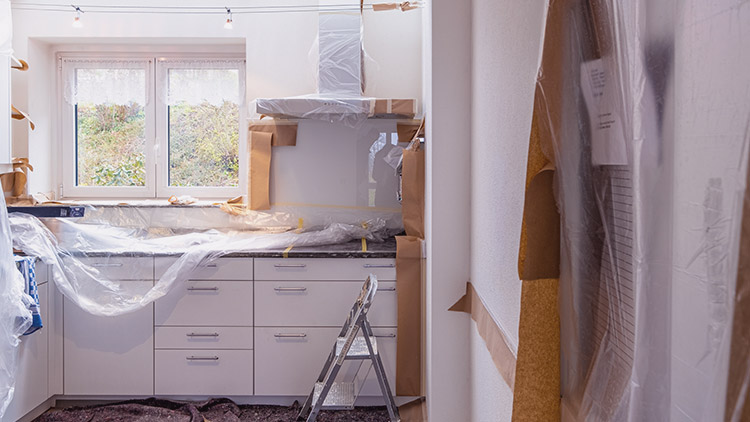
Thinking of renovating your space or moving to a more suitable home all together? Both options are considerable investments, but we're here to help narrow down your options.
The answer likely varies depending on your location and situation, but with the risk of wildfires becoming increasingly relevant, read on to learn about the most common recommendations.
Mortgages are stressful, and it can be tempting to just want to get it over with, but doing your homework can have a major impact. (Hint: get at least 4!)
The phrase “as-is” shows up often in real estate listings, and it tends to raise eyebrows. For some buyers, it feels like an opportunity – a chance to get a deal on a property that others might overlook. For others, it sounds like a trap.
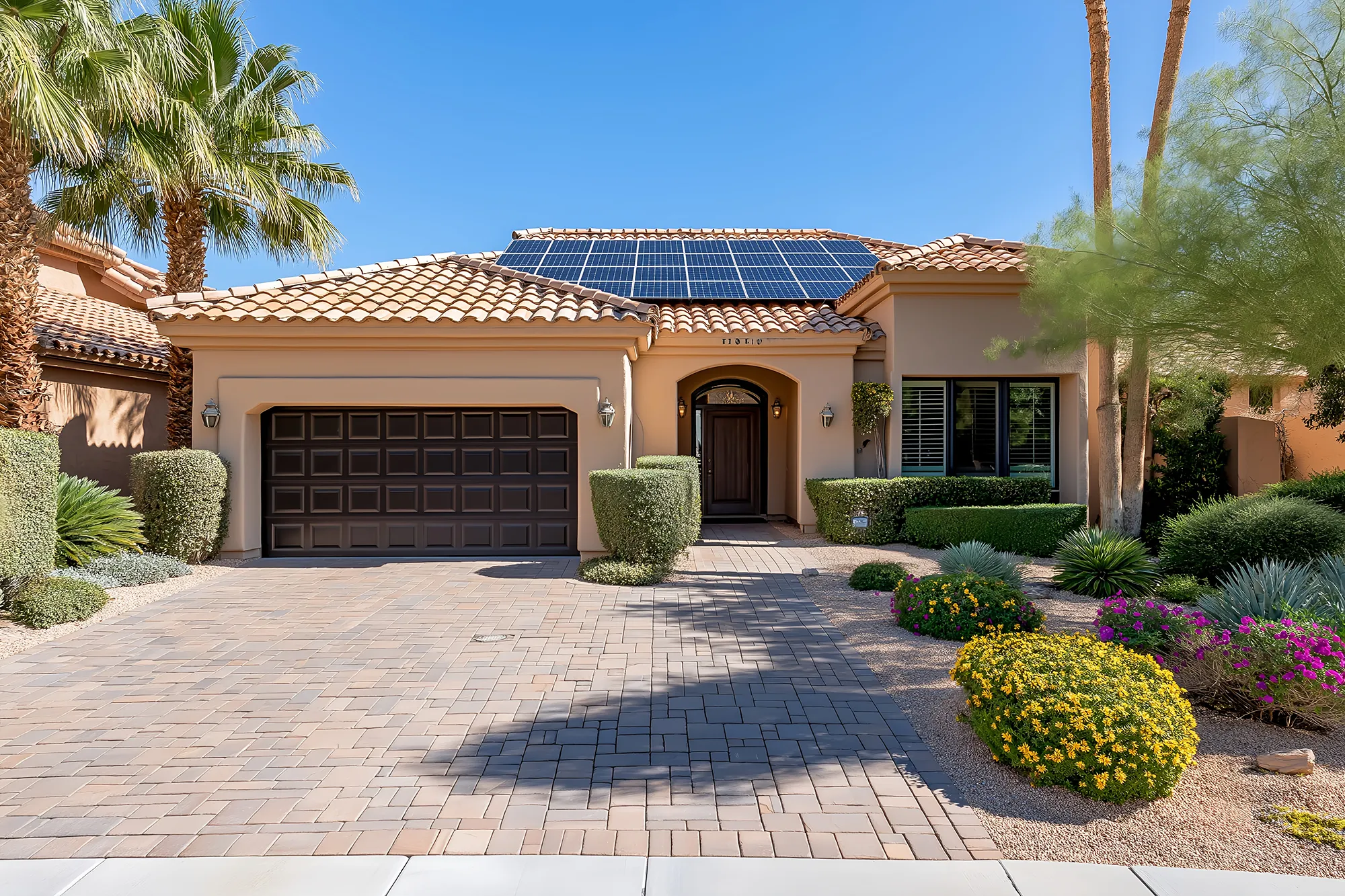
A clear, honest guide to equity sharing in Nevada. Learn how Las Vegas-area homeowners use Unison’s equity sharing options to access equity with zero payments & zero interest.
This isn’t just Econ 101 homework. There are real life impacts at play! If you have a credit card, savings account, mortgage, or loan, understanding how the Fed works can help you make smarter real-life money moves – even in a shifting market.
Wondering what a home improvement loan really is? Learn about the different ways to finance renovations, from personal loans to HELOCs and home equity loans.
Buying a home is exciting! But it can also be overwhelming. With so many moving parts, it’s easy for first-time buyers (and even seasoned homeowners) to miss a step that ends up costing time, money, or peace of mind.
When temperatures drop and winter storms roll in, your home becomes your shelter from the elements. But it also needs a little extra care to stay safe, efficient, and comfortable. Winter is a time to focus on prevention: avoiding frozen pipes, heat loss, and water damage while keeping everything running smoothly behind the scenes.