Learn about the four ways a Unison Equity Sharing Agreement can end, including selling your home or choosing a buyout.
While you’ve heard that your house is your biggest asset, you might be unsure how to take advantage of the fact. Property is illiquid–which means, it isn’t ready money you can just use.
If your child is making the transition to college this year, you yourself may be anticipating a transition of your own: the “empty nest.”
Technically, the “Accessory Dwelling Unit” (ADU) has been around since the 1980s, though the concept itself is much older. If the phrase doesn’t ring a bell, you might know it better as “granny house” or “backyard cottage.”
It’s a universal truth that the vast majority of homeowners are sitting on an enormous amount of equity. That equity is most often trapped in their homes, where it can’t be used to help them with their pressing needs.
We’ve long considered ourselves privileged to empower homeowners to achieve financial freedom and wellbeing by helping them tap into their home equity.
The home remains the largest asset for most of us, and is one of the most straightforward ways to grow wealth. But it can be difficult to realize that wealth and turn it into a liquid asset you can actually use!
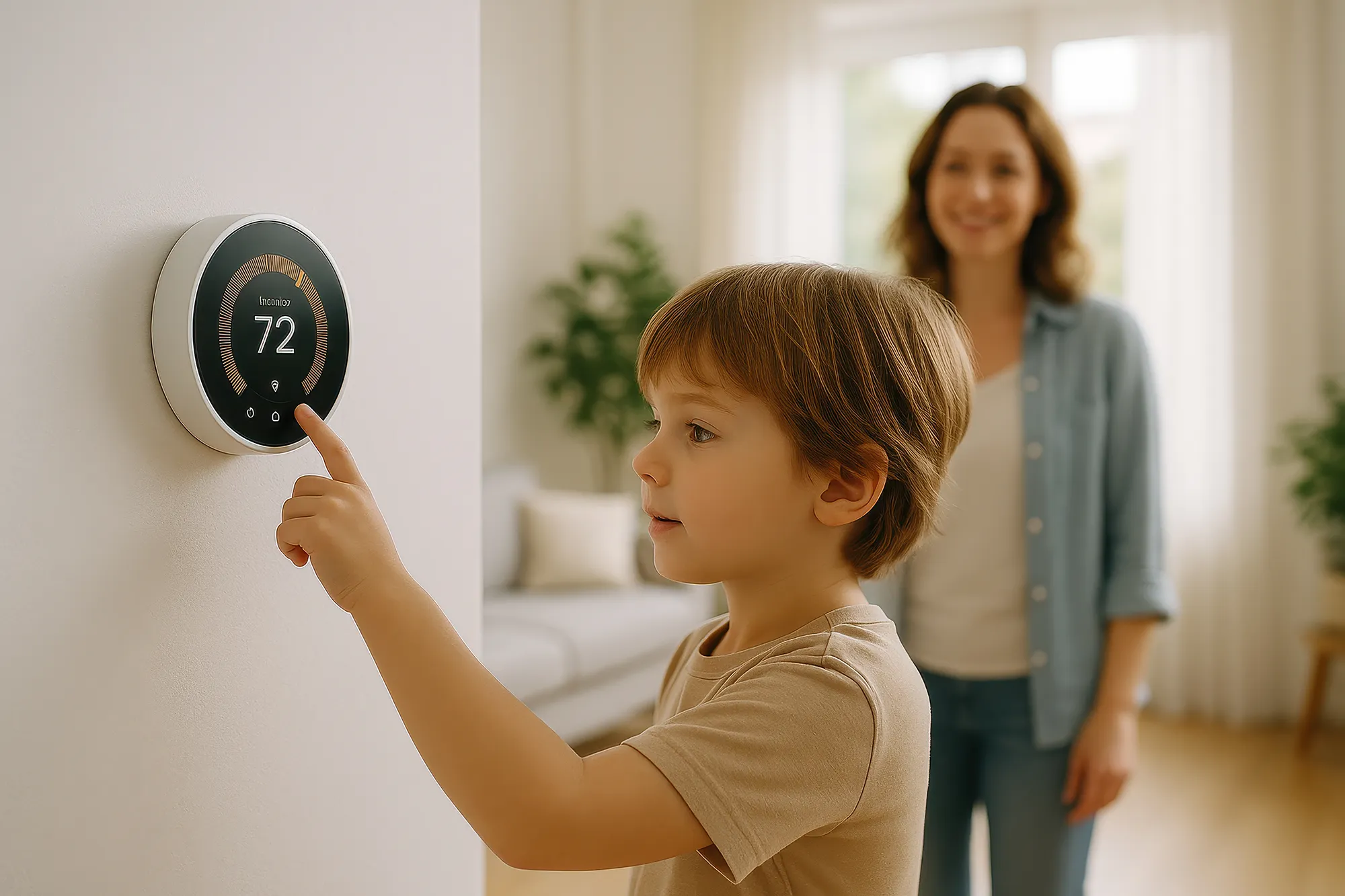
The idea of a “smart home” can be exciting. Lights that turn on automatically, a thermostat you control from your phone, or a fridge that tells you when you’re out of milk – it all sounds futuristic! But not every gadget lives up to the promise. Some are expensive and fussy, some don’t really increase your home’s value, and some are just waiting for better tech before they’re actually worth the squeeze.
For many homeowners, the idea of buying a second property represents more than just a second real estate purchase. It’s a vision of financial freedom, flexibility, and future security – whether that means having a vacation spot to enjoy, a rental home generating income, or a nest egg that can grow in value over time.
This approach worked particularly well during a time when mortgage rates fell sharply year after year. It allowed homeowners to refinance into much lower monthly payments, while also pulling cash out of their home’s equity.
Owning a home takes more than just paying your mortgage. It’s also about keeping up with repairs, maintenance, and the occasional renovation to keep your property safe, efficient, and enjoyable. But how much should you actually budget for all of that, especially over decades of ownership?
Many would-be entrepreneurs talk themselves out of it before they even begin, thanks to a handful of persistent myths. But the truth is, owning a business is possible. And while it takes some serious work, it’s not reserved for the ultra-rich, ultra-connected, or ultra-lucky.
The phrase “as-is” shows up often in real estate listings, and it tends to raise eyebrows. For some buyers, it feels like an opportunity – a chance to get a deal on a property that others might overlook. For others, it sounds like a trap.