Learn about the four ways a Unison Equity Sharing Agreement can end, including selling your home or choosing a buyout.
Welcome to Unison. We believe that with a partner in home ownership, you can go further than you can alone. Together, you can.
Unison agreements are structured as option contracts, which allows you to sell us a future option for cash today. But it's important to learn about option contracts and understand the details.
Short answer? Yes! A HELOC is not necessarily a bad thing, and can be right for people in a certain situation. But it's important to know that there are alternatives out there.
Housing is a huge market, but it's difficult for investors to put their money in homes without owning them outright. Learn more about how co-investments help bridge the gap.
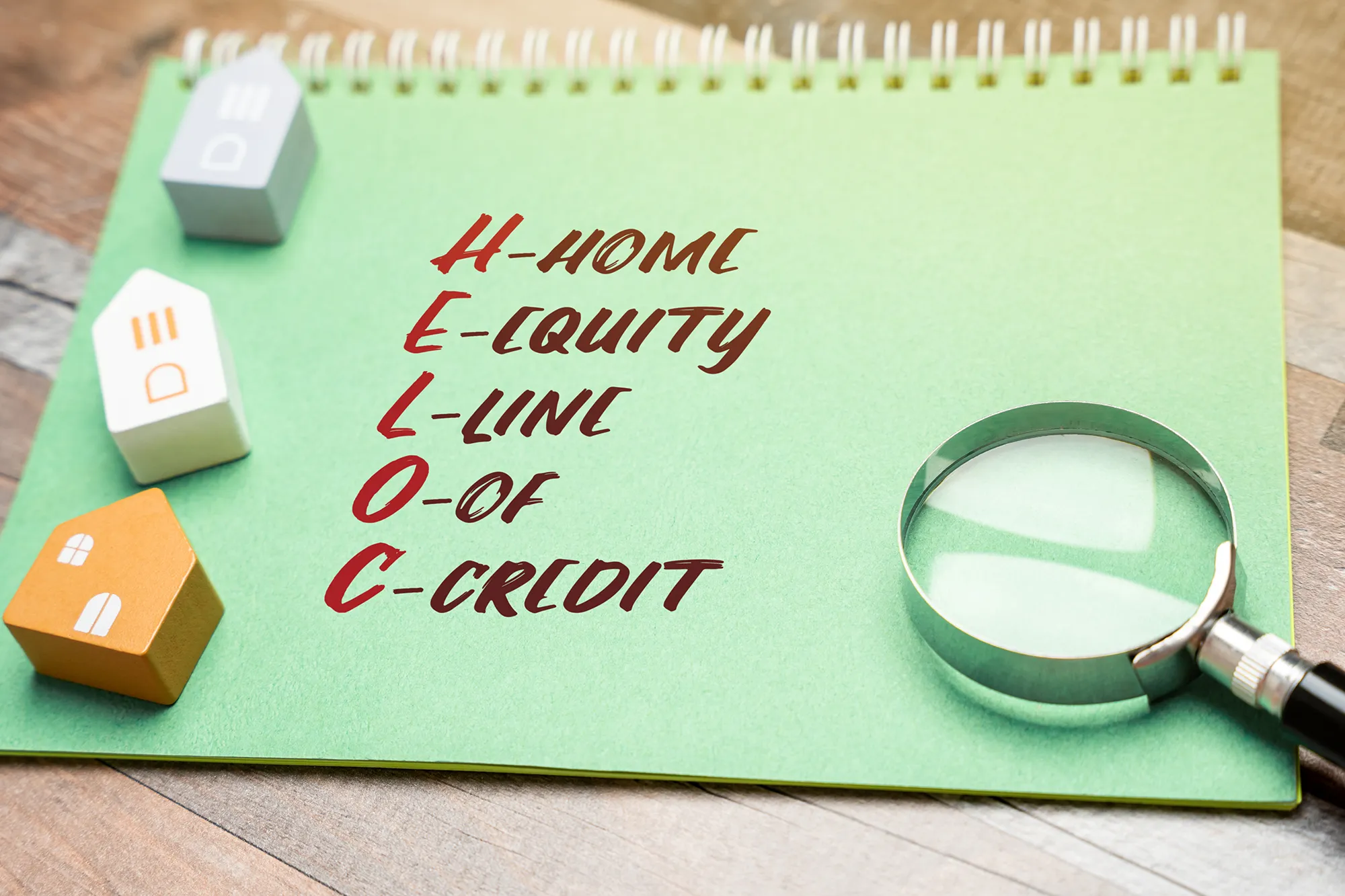
A HELOC may be an affordable and convenient way to access a line of credit. But it’s not the right solution for everyone. We'll explain how a HELOC works and how to know if it’s right for you.
The "Zestimate" is a bit of a secret sauce, which Zillow will admit is not always perfect. But it's a valuable tool nonetheless – here's what we know about the calculation process.
What are the alternatives to tapping into your home equity to cover a big expense? Over the next several days, tune in to this series of shorter blog posts that delve into some of your options. Today: Personal Loans and Credit Cards.
The 2024 housing market has demonstrated significant growth and resilience, overcoming headwinds from high interest rates to achieve a remarkable surge in home equity. This annual report examines key trends in home equity throughout the year, analyzing both national and regional data to provide a comprehensive overview of the market.
Our Chief Investment Officer, Matt O’Hara, recently published an article as a member of Forbes Finance Council. Read "7 Ways to Tap Into Your Home's Equity" today.
A reverse mortgage is a convenient way to use your home equity as a cash source during retirement, but there are some downsides to a reverse mortgage.
Renovations surged during the peak of COVID, when we were all stuck at home. Then high rates introduced a bit of a slump. Now? They're on the rise again. Plus, city and state governments are removing restrictions to building ADUs.
If you're in the market for a loan, you do research and shop around. In doing so, you continuously encounter interest rates and APR. What’s the difference? And what do they really mean, functionally, for your budget, your spending?